



We have all heard the term before: Global Warming. What does it mean, though? What kind of impact is it really having? There are debates and arguments as to what the impact and timeline is, but NASA has presented some indisputable evidence that things are warming up.
This is because, throughout its history, the Earth’s climate has changed. There is evidence that in the last 650,000 years, there have been exactly seven cycles of what is known as glacial advance – and retreat. Those climate changes, however, are more likely a product of changes in the Earth’s orbit that have an impact on the amount of solar energy that our planet receives.
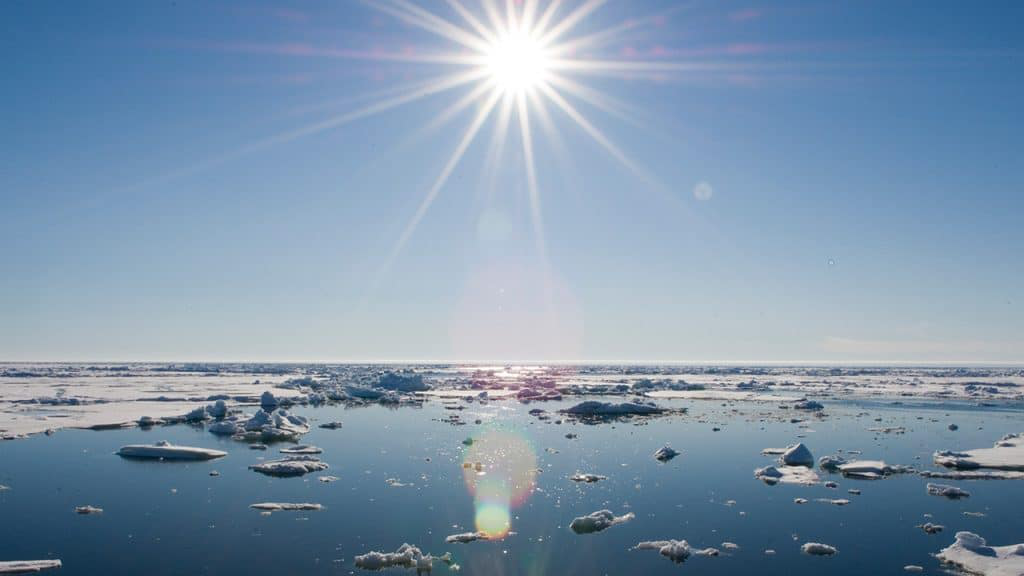
Current trends in global warming are the result of human activity dating back to the last century or so. That is the kind of impact that we as a race are having on the planet has a whole.
And while the speculation about whether or not we would see snow anymore is a bit on the wild side, there have been substantial changes throughout the years. Be it greenhouse gas levels or ice cores weakening, there are signs that the Earth is heating up at levels that were previously unheard of thanks to our activity.
There are many factors that demonstrate the way the Earth has warmed throughout the years. These are just a few examples.
Oceans Warming
This is something of a tricky thing to measure because of the vast depth of the ocean and the fact that we have not truly explored the deepest portions yet. Still, there is measurable data showing that the world’s oceans have absorbed a lot of the increased global heat.
The top 700 meters or so –2,300 feet – have warmed more than 0.4 degrees Fahrenheit and that is only dating back to 1969. In just half a century, these massive bodies of water have heated to a noticeable degree and there is no telling how much more it will continue to heat.
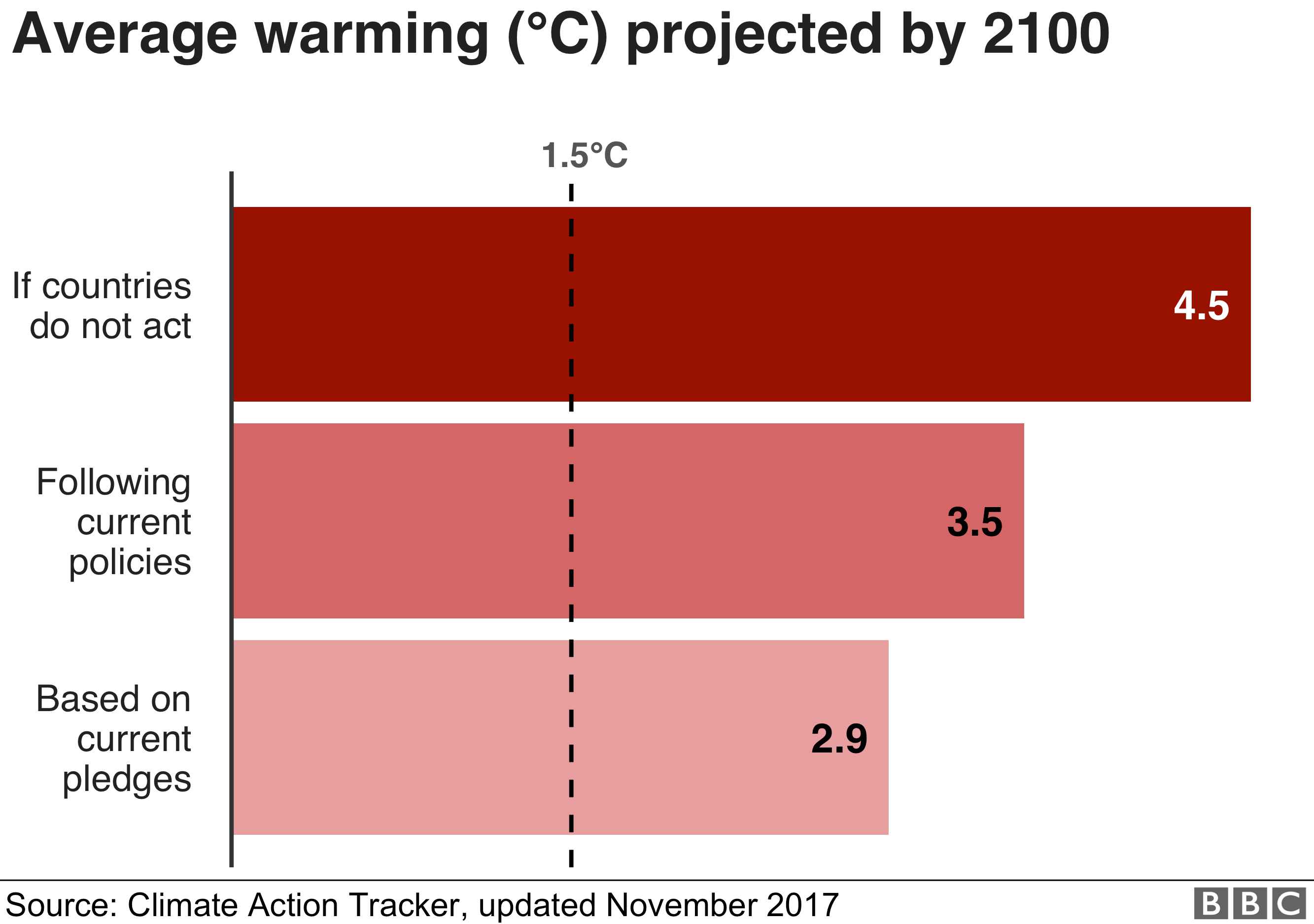
When the oceans get warmer, it changes the ecosystem for many of the wildlife and fauna that lives beneath the surface. There are concerns that if the temperature of the water continues to shift too much, it could have a drastic impact on the species that live in at least that 2,300-foot depth range.
The impacts felt below that initial 2,300 feet remain untested, but it can only be a matter of time before the increase is felt in further depths of the ocean.
Your content goes here. Edit or remove this text inline or in the module Content settings. You can also style every aspect of this content in the module Design settings and even apply custom CSS to this text in the module Advanced settings.
This is the biggest impact felt across the globe and perhaps the most noticeable as well. On average, the surface temperature across the planet has risen around 1.62 degrees Fahrenheit dating back to the late 19th century.
The rise in temperature is largely attributed to increased carbon dioxide as well as other man-made emissions being projected into the atmosphere. What’s more startling is the fact that most of this warming has taken place in the last 35 years or so, with five of the warmest years on record having taken place since 2010.
2016 wound up being the warmest year on record with eight of those months, January through September with June being an exception, setting record high temperatures for each of those respective months.
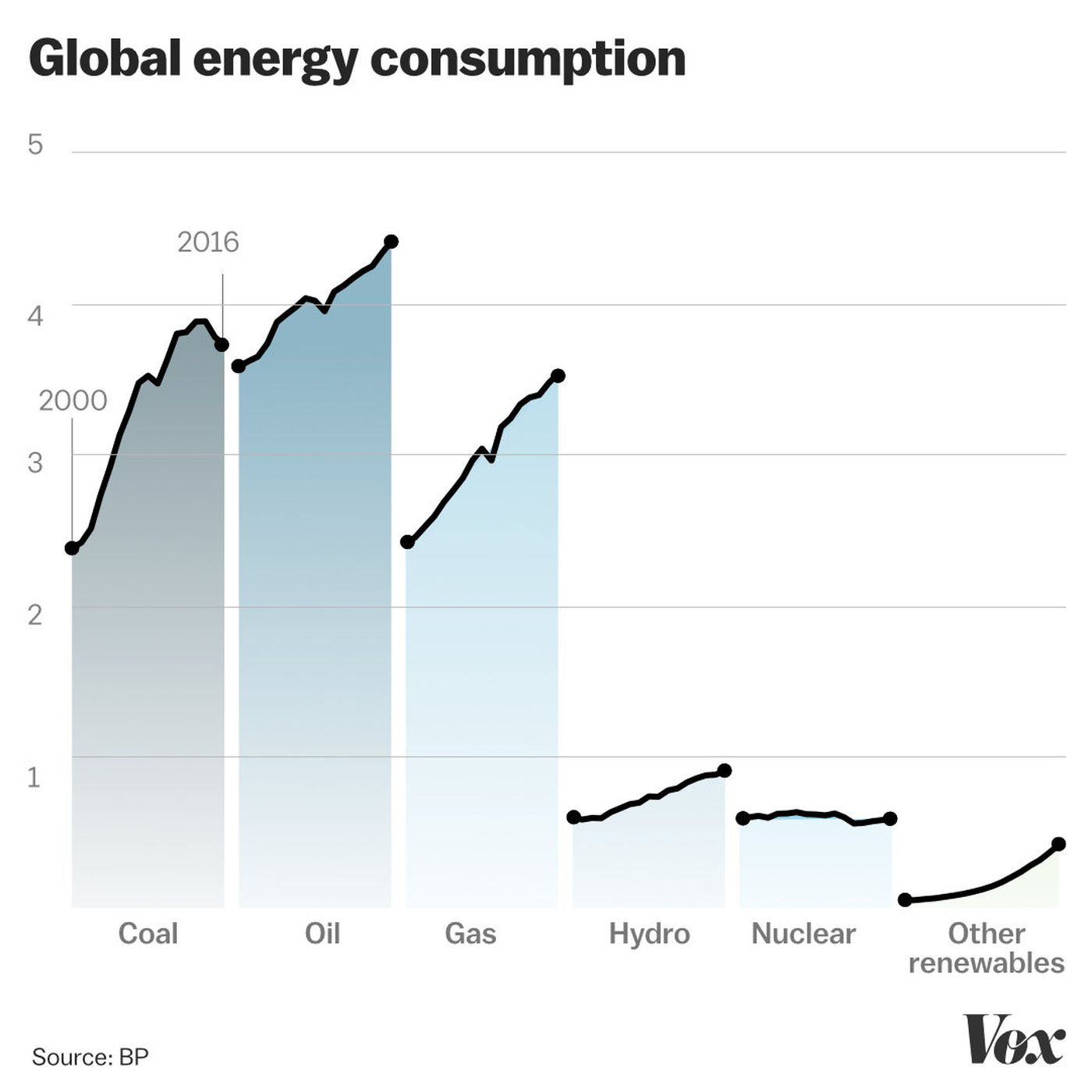
Because of this recognition of a rise in global temperature, we as a society are beginning to take steps towards global conservation. The dependence on fossil fuels is certainly a large factor. The effect and impact that it has on the atmosphere has only begun to be noted and that’s not even counting the fact that it is a finite resource that will run out one day.
While taking the positive steps that we have taken is a good thing, it will take a long time to undo the damage done over the last three decades, if it can be undone at all.
Shrinking Sheets of Ice
There has been a noted decrease in mass of the Antarctic and Greenland ice sheets in recent years. NASA has shown that there has been an average loss of 286 billion tons per year in Greenland between 1993 and 2016. Antarctica, meanwhile, lost about 127 billion tons during that same time period, though it is worth noting that Antarctica has seen their rate of ice mass loss triple in just the last decade alone.
There has been a noted decrease in mass of the Antarctic and Greenland ice sheets in recent years. NASA has shown that there has been an average loss of 286 billion tons per year in Greenland between 1993 and 2016. Antarctica, meanwhile, lost about 127 billion tons during that same time period, though it is worth noting that Antarctica has seen their rate of ice mass loss triple in just the last decade alone.
When discussing global warming and its impacts, the polar ice sheets and ice caps are one of the focal topics of conversation. It lends itself to a simple yet effective conversation that those climates are extremely cold, yet still seeing massive loss of ice masses due to the rise of temperatures globally.
This is in tandem with glacial retreat that is being felt nearly all across the world. The Himalayas, Alps, Rockies, Andes, Africa, and Alaska have all felt the impact of glacial retreat to some extent or another and shows no signs of slowing.
Conclusion
Though there are definitely some who still do not fully believe or understand the gravity of the situation, the warming of temperatures around the globe cannot be disputed. Because the changes are only a degree or so over the course of 30-40 years, it doesn’t seem like that big of an impact.
But the fact of the matter is that these seemingly minor changes are already having a profound impact. We are finally taking the measures to be more responsible with the waste that we create globally, but there is only so much that we can do to slow down our global imprint.
As a pioneer, 4inlanyards is devoted to developing and innovate the eco-friendly lanyards, such as bamboo lanyards, R-PET lanyards, cotton lanyards, plant silk lanyards and so on. They can be recycled and do some benefit in environment protection.
As the planet continues to warm, one has to wonder what continued impact it will have on the polar ice caps, on those shrinking ice sheets, and on glacial retreat. It may not happen in our lifetimes, but could there come a time when those things no longer exist? And what impact will that have on the environment and our atmosphere as a whole?
These questions and so many more are things to keep in mind as we work to combat the effects and impact of the warming of our planet.